



Rodent Control: Smarter Ways to Keep Mice & Rats Away
When it comes to unwelcome visitors, few are as sneaky—or as stubborn—as mice and rats. They slip through tiny gaps, hide in quiet corners, and can turn a peaceful home into a stressful one overnight. But effective rodent control doesn’t have to rely on harsh chemicals or constant traps. The key lies in working smarter, not harder, and understanding what drives these critters in the first place.
Rodents are far more than just a minor nuisance. Beyond the unsettling thought of something scurrying through your walls, they can carry diseases, contaminate food, and chew through wires, insulation, and even structural materials. To make matters worse, a single pair of mice can produce dozens of offspring in just a few months—meaning a small problem can become a serious infestation before you even notice. Acting early is essential to protecting your home and your health.
This guide provides smarter, safer, and more effective ways to keep mice and rats out for good. We will cover preventative measures, natural deterrents, effective trapping techniques, and explain how a professional service can offer a long-term solution.
Understanding Rodent Behavior: Know Your Opponent
Key Differences Between Mice and Rats
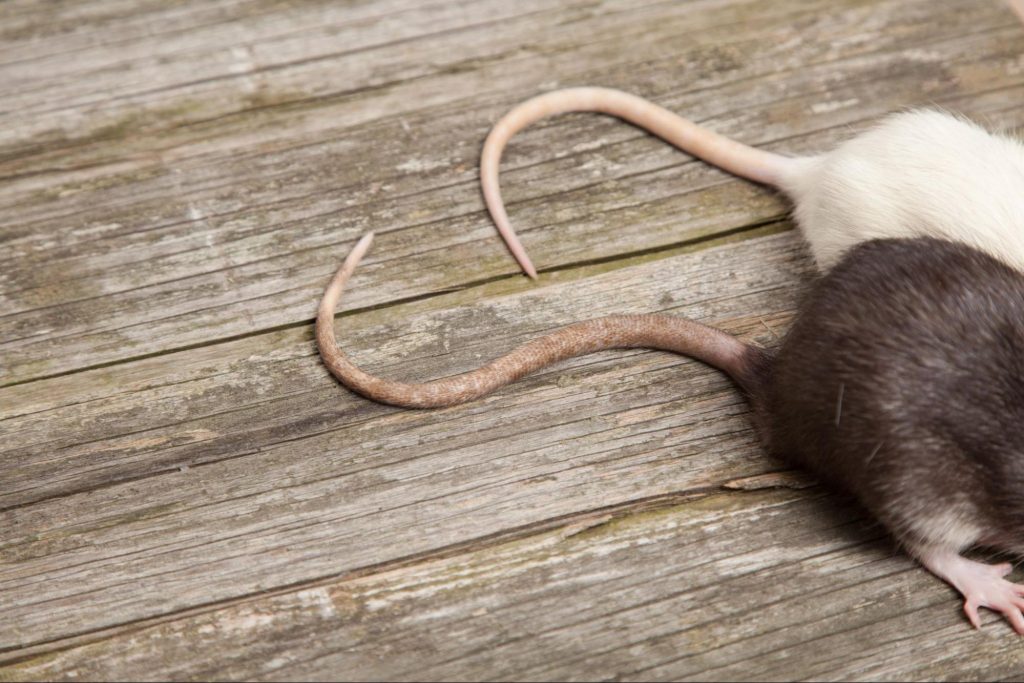
Learning to distinguish between mice and rats is the first step in targeting your control efforts. Rats are significantly larger than mice, with thicker bodies and tails. Their droppings are also larger, about the size of a bean, while mouse droppings are small and pointed like grains of rice.
How Rodents Think and Travel
Rodents are creatures of habit and caution. They prefer to travel along walls and established paths where they feel secure, using their whiskers to navigate in the dark. This behavior is crucial to understand because it tells you exactly where to place traps and deterrents for the highest chance of success. Instead of placing traps in the middle of a room, positioning them along baseboards where rodents are known to travel will yield much better results.
The Dangers They Pose
Beyond being a simple nuisance, rodents present serious health risks and can cause significant property damage. They are known carriers of diseases like Hantavirus and Salmonellosis, which can be transmitted through their droppings, urine, and bites. Furthermore, their constant need to gnaw can lead them to chew through electrical wiring, increasing the risk of house fires, and damage structural elements of your home like wood and insulation.

Prevention First: Making Your Home Impenetrable
Conducting a Full Home Exterior Inspection
Take the time to walk the perimeter of your house and carefully inspect the foundation and siding for any cracks, gaps, or holes. Rodents can squeeze through surprisingly small openings—a mouse needs only a dime-sized hole, and a rat can fit through a quarter-sized gap. Use caulk, steel wool, or cement to seal any potential entry points you find, paying close attention to areas where utility pipes and vents enter the home.
Securing Vents, Chimneys, and Other Overlooked Entrances
Rodents often use less obvious routes to get inside, which is why it’s important to secure all potential openings. Vents for your attic or crawl space should be covered with sturdy hardware cloth to block access without impeding airflow. Installing a chimney cap is another essential step, as uncovered chimneys provide a direct highway for rats, squirrels, and other wildlife to enter your home.
The Importance of Door Sweeps and Garage Seals
Sometimes, rodents don’t need a hidden crack to get in; they can simply walk through the front door. Gaps under exterior doors, especially the garage door, are common entry points. Installing door sweeps on all exterior doors creates a tight seal at the bottom. Check your garage door’s rubber seal for any signs of wear or damage and replace it if necessary to ensure there are no gaps for pests to slip through.
Eliminating Food and Water Sources Inside
Mastering Food Storage
Your pantry can be a buffet for rodents if food is not stored correctly. Make it a habit to store all dry goods like grains, cereals, and pasta in airtight glass or hard plastic containers. Pet food is another major attractant, so avoid leaving it out overnight. Seal pet food bags in a secure container after each use to keep pests from detecting the scent.
Cutting Off Their Water Supply
Like all living things, rodents need a consistent water source to survive. Small leaks from pipes under sinks, in basements, or behind appliances can provide all the moisture they need. Regularly inspect these areas for drips or condensation and make repairs promptly.
Sanitation Best Practices
Good sanitation is fundamental to rodent prevention. Clean up crumbs and food spills immediately, wash dirty dishes daily instead of leaving them in the sink overnight, and use trash cans with tight-fitting lids. Regularly taking out the trash and keeping bin areas clean will remove the food odors that attract mice and rats to your home in the first place.
Natural and Low-Toxicity Deterrents
Using Scents Rodents Hate
Rodents have a strong sense of smell, which you can use to your advantage. Many common household scents are overwhelming and unpleasant for them. Soak cotton balls in peppermint oil and place them in areas where you’ve noticed activity, such as entry points or near potential nesting sites.
Harnessing Ultrasonic Repellers
Ultrasonic repellers are electronic devices that emit high-frequency sound waves. These sounds are disruptive and irritating to rodents but are typically inaudible to humans and most common household pets like cats and dogs. While the effectiveness of these devices can vary depending on the layout of your home and the severity of the infestation, they can serve as a supplementary, non-toxic tool in your pest control plan.
Decluttering to Remove Hiding Spots
Rodents thrive in dark, sheltered spaces where they can hide and build nests without being disturbed. Cluttered basements, attics, closets, and storage areas provide the perfect environment for them. By tidying up these spaces, organizing stored items in sealed plastic bins, and removing unnecessary clutter, you eliminate the hiding spots they rely on, encouraging them to move elsewhere.

Smart and Humane Trapping Techniques
Choosing the Right Trap for the Job
There are several types of traps available, each with its own benefits. Classic wooden snap traps are inexpensive and effective for a quick resolution. For those who prefer a more humane approach, catch-and-release traps allow you to capture rodents alive and release them far from your home.
The Art of Proper Trap Placement and Baiting
The success of any trap depends heavily on its placement. Since rodents travel along walls, traps should be set perpendicular to the wall with the trigger facing it. Place them in concealed areas where you’ve seen signs of activity, such as behind appliances or in the back of cabinets.
Safety First: Using Traps in a Home with Pets and Children
If you have pets or small children, safety is a top priority. Always place traps in areas that are inaccessible to them, such as inside cabinets, behind heavy furniture, or in the attic or basement. You can also use commercially available trap covers or bait stations, which are designed to allow rodents to enter while preventing pets and children from accessing the trap mechanism inside.
Outdoor Strategies to Reduce Rodent Pressure
Yard Maintenance for Rodent Control
An unkempt yard provides ample shelter for rodents. Keep your lawn mowed, trim overgrown bushes and shrubs away from your home’s foundation, and regularly remove leaf litter and other debris. By reducing the number of hiding spots available outdoors, you make your property less attractive to pests looking for a place to live.
Managing Woodpiles and Compost Bins
Woodpiles and compost bins can become ideal rodent habitats if not managed properly. Store firewood at least 18 inches off the ground and a good distance away from your house. If you have a compost pile, maintain it by turning it regularly and avoid adding meat or oily foods that can attract pests.
Secure Trash and Recycling Storage
Outdoor trash and recycling bins are a major food source for rodents. Always use bins with tight-fitting, secure lids to prevent them from getting inside. Whenever possible, store your bins away from your home’s foundation and clean them regularly to remove any food residue and odors that might attract pests.
When to Call a Professional
Signs That a DIY Approach Isn’t Working
If you see rodents during the day, find numerous droppings in multiple areas, or hear constant scratching sounds in your walls, it may be a sign of a large infestation that requires professional intervention. Persistent problems that don’t improve with DIY trapping and prevention also indicate it’s time to call an expert.
What a Professional Inspection Entails
A professional pest control technician will conduct a thorough inspection of your property to identify the type of rodent, locate all entry points, and assess the extent of the infestation. Based on their findings, they will develop a targeted and comprehensive treatment plan tailored to your specific situation, ensuring a more effective and lasting solution.
Partnering with an Expert like Martin Exterminating
Working with a trusted, family-owned company like Martin Exterminating provides peace of mind. We offer comprehensive solutions that not only eliminate the current problem but also focus on long-term prevention. Our expert technicians provide ongoing support and advice to ensure your home remains rodent-free for the long haul.
Your Path to a Rodent-Free Home
Successfully protecting your home from rodents involves a combination of smart strategies. A quick review of the key steps includes sealing all potential entry points, removing food and water attractants, and using deterrents and traps effectively. With a proactive and consistent approach, you can protect your home and family from the threats posed by mice and rats. Start with a simple inspection of your home’s exterior and pantry this weekend. For lasting results and more challenging situations, don’t hesitate to reach out to a trusted professional for help.
https://www.google.com/maps?cid=16959640794849830802


